


How to Choose the Ideal Kitchen Cabinets: A Professional Installer’s Guide

Choosing new kitchen cabinets is one of the biggest decisions—and investments—you’ll make during a home remodel. Set the visual tone for your entire kitchen while defining how organized and functional the space will feel day-to-day. With dozens of styles, door types, materials, and construction methods on the market, narrowing down the right option can feel overwhelming. It is, indeed, overwhelming. To help you navigate the process, we’ve broken down the essential factors to consider when choosing the ideal kitchen cabinets for your home.
Assessing Your Kitchen Space
Before exploring styles and materials, it's essential to evaluate your kitchen.
Begin by measuring your kitchen, noting its layout and any unique architectural features that might affect cabinet placement.
Consider your workflow: Do you need additional storage?
Would an open concept suit your needs? For instance, a family of four may require larger cabinets for storing pots and plates.
Understanding your kitchen's dimensions will help you choose cabinets that fit seamlessly.
Frame Style: Framed vs. Frameless (Euro-Style)
The structural style of your cabinet box impacts both the aesthetic and the amount of accessible interior storage.
Framed Cabinets: Traditional American construction where a solid wood face frame is attached to the front of the cabinet box. Offers exceptional sturdy structure and a classic aesthetic.
Frameless Cabinets (Euro-Style / IKEA): Eliminates the face frame so doors attach directly to the cabinet sidewalls. This allows full, unobstructed access to the inside, offering maximum drawer capacity and a clean, modern aesthetic.


Door Styles & Design Aesthetics
Your cabinet doors dominate the visual space in your kitchen. Choosing the right profile keeps your design cohesive with the rest of your home:
Shaker Style: Clean, recessed center panel that works seamlessly in modern, transitional, or traditional homes. This remains the most popular door profile for kitchen remodels.
Slab / Flat-Panel: Completely flat doors with minimal detailing. Ideal for minimalist, contemporary, or modern Euro-style kitchens.
Raised Panel: Features a raised center panel with decorative outer profiling, adding depth and formal elegance to traditional homes.
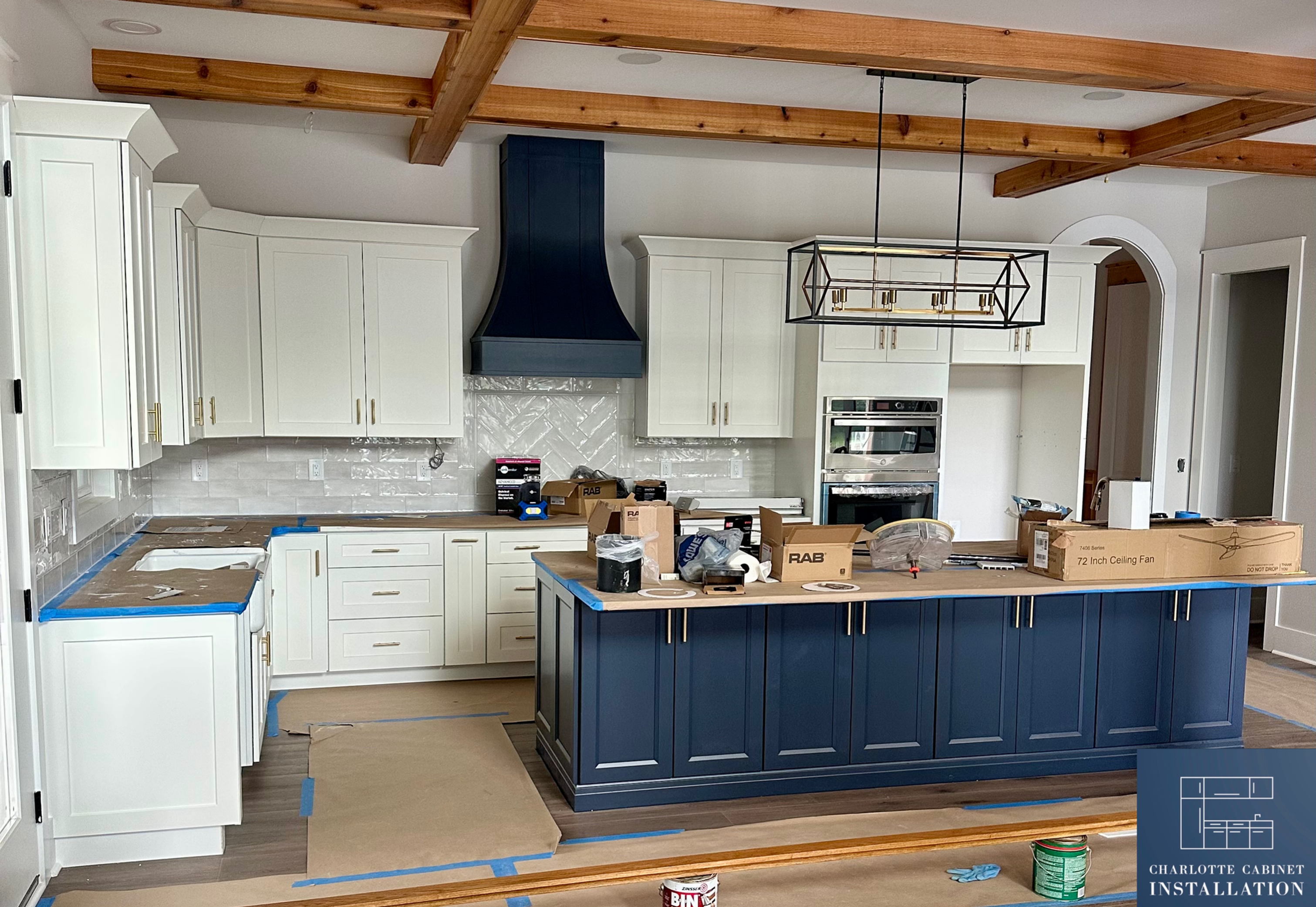
Pro Tip: Consider a two-tone layout (e.g., classic white upper cabinets paired with a deep blue or warm wood island) to add contrast and personality without overwhelming the room.
Material Selection: Choosing the Right Construction
The material of your cabinets is crucial for durability and appearance. Here are some common options:
1. Solid Wood
Solid wood cabinets are sought after for their strength and timeless look. But, What "Solid Wood" Means?
Doors and Faces: Real hardwood (like oak, maple, or cherry) is standard for cabinet doors, drawer fronts, and face frames because it handles daily wear well.
Cabinet Boxes: Most professionals recommend high-grade plywood for the actual cabinet box instead of 100% solid wood, as plywood resists warping from temperature and humidity changes.
Common Species: Maple offers a smooth finish, oak provides a strong textured grain, and cherry delivers a rich look that darkens over time.
Pros and Cons
Durability: Solid wood components last for decades and can be sanded or refinished if they get scratched.
Appearance: Each piece has unique natural grain patterns and warmth.
Cost and Movement: All-wood builds cost more and can expand or contract with humidity shifts if not constructed properly.
A popular choice, these can be stained or painted. For high-end kitchens, oak or cherry wood is recommended, even though they may be pricier, sometimes costing around 50% more than composite materials.

2. Plywood
Plywood cabinets feature boxes constructed from layered wood veneer sheets instead of particleboard or medium-density fiberboard (MDF), offering superior strength, screw retention, and moisture resistance.
Benefits of Plywood Cabinets:
Durability: The cross-grain construction of plywood provides exceptional structural stability and prevents sagging under heavy loads like stone countertops or dishes.
Moisture Resistance: Plywood resists warping and swelling from humidity changes much better than particleboard.
Lighter Weight: Furniture-grade plywood is strong yet manageable during installation compared to solid wood or dense composites.
Plywood offers a sturdy and cost-effective alternative, often used for cabinet boxes. It strikes a balance between quality and price. Expect to pay about 25% less than solid wood while still ensuring durability.
On the left: Diamond NOW Arcadia Plywood Cabinet. On the right: Diamond Express Jamestown Plywood 36X34.5X24 Base Cabinet
3. MDF (Medium-Density Fiberboard)
MDF is a popular material for cabinet doors and drawer fronts because it provides a smooth, consistent surface that is ideal for painted finishes. Made from compressed wood fibers and resin, MDF is resistant to warping and can create a clean, seamless look when properly finished.
MDF is most commonly used for cabinet doors and drawer fronts, where its smooth, paint-grade surface really stands out. It allows for a beautiful, uniform finish without the natural grain or variations found in solid wood.
The cabinet boxes and frames, however, are typically made from plywood or solid wood to provide the strength and durability needed for the cabinet structure. This is especially important in areas exposed to moisture, such as around sinks and dishwashers.
Using different materials for different parts of the cabinet allows manufacturers to combine the smooth, beautiful finish of MDF with the strength and durability of plywood or solid wood, creating cabinets that are both attractive and practical for everyday use.
Pros and Cons of MDF Cabinets
Advantages:
Smooth finish: MDF has no natural grain or knots, making it the top choice for clean, modern painted cabinet doors.
Stability: Unlike solid wood, MDF does not expand, contract, warp, or crack with changes in household humidity and temperature.
Cost-effective: It is generally more affordable than solid wood or high-grade plywood.
Disadvantages:
Moisture sensitivity: Unsealed MDF swells, softens, and breaks down permanently when exposed to standing water or severe leaks.
Lower screw retention: It does not hold screws or hinges as tightly as solid wood or plywood, especially after repeated use.
Difficult to repair: Deep scratches, dents, or water-damaged swollen edges cannot be easily sanded or patched back to their original look.
Hampton Bay Kitchen Cabinet in White Satin
4. Particleboard
Particle board is the most affordable option and often found in budget-friendly cabinets, made from compressed wood chips and resin, While it can suffice as a temporary solution, it's essential to be cautious as it may not last as long as other materials, especially in humid environments like kitchens.
Pros and Cons
Affordability: Much cheaper than solid wood or plywood, making them popular for tight budgets or rental properties.
Smooth Surface: Provides an even base for laminates, melamine, or wood veneers.
Moisture Vulnerability: Swells, warps, and crumbles when exposed to water or high humidity, especially near sinks.
Lower Durability: Holds screws and hinges less securely over time compared to plywood or solid wood.
RTA / Pre-Assembled vs. Fully Custom
Understanding how your cabinets are manufactured helps align your budget with your timeline:
Cabinet Type | Pros | Best For |
RTA (Ready-to Assemble) (e.g., IKEA) | Highly cost-effective, modular accessories, fast availability. | Budget-conscious remodels and versatile layouts. |
Pre-Assembled (e.g., KraftMaid, Lowe's) | Sturdy factory assembly, wide door selection, fast on-site install. | Mid-to-high budget remodels wanting classic wood finishes. |
Custom | Built to exact tailored measurements without filler panels. | Unique architectural layouts and specialized custom builds. |
While you’re exploring your cabinet options, you may also want to check out our article “Transform Your Kitchen with Custom Cabinet Design.”
Finishes and Colors: Making a Statement
The finish and color of your cabinets can set the entire ambiance of your kitchen. Here are tips for selecting the right finish:
1. Paint vs. Stain
Choose between painted or stained cabinets based on your style.
Painted cabinets offer an array of colors, giving you the chance to go bold with shades like navy blue. Stained cabinets showcase the natural beauty of the wood, perfect for a more traditional feel.
If you’re still deciding which type of cabinet is right for your home, check out our articles “Go for different color in your kitchen cabinets" and "Elevate Your Kitchen: Creative Color Combinations for Stunning Cabinets" for more information about colors and designs.
2. Glossy vs. Matte
Glossy finishes reflect light, making smaller kitchens seem larger, whereas matte finishes provide a sophisticated, understated look. A glossy white finish can brighten up a dimly lit area, while a matte gray may provide added warmth.
3. Two-Tone Cabinets
Two-tone cabinets are increasingly popular, allowing for creative combinations. For instance, using white upper cabinets and navy blue lower cabinets can effectively define spaces in an open-concept home. Check out our article
Don't Skip Storage Accessories & Specialty Units
A great kitchen isn't just about how it looks on the outside—it's about how hard it works on the inside. When planning your cabinet layout, consider incorporating functional upgrades. Don’t overlook storage accessories and specialty units.
These accessories can help you make the most of every inch of available space, especially in smaller kitchens or areas that are difficult to access.
For more ideas, check out our articles “Smart Ways to Max Out Your Kitchen Space” and “Modern Accessories in Kitchen Cabinets: Pros and Cons.” We cover practical ways to improve cabinet storage and take a closer look at some of the most popular cabinet accessories, including their benefits and potential drawbacks.
Let’s look at some of the features that can make a difference:
1. Pull-Out Shelves
Pull-out shelves make it convenient to access items at the back of deep cabinets. Having this feature can enhance organization and efficiency, especially for large pots or pantry staples.

2. Lazy Susans
Lazy Susans work wonders in corner cabinets, making it easy to reach items without hassle. This simple solution increases accessibility and optimizes space for commonly used items.

3. Drawer Dividers
Drawer dividers keep utensils neat and organized. Opt for cabinets that already include these features or consider purchasing them separately to tailor your organization strategy.
4. Vertical Storage
If you face space constraints, look for cabinets with tall storage options or pull-out spice racks. This design efficiently uses vertical space and maintains kitchen flow.

5. Deep Base Drawers
Far more accessible than standard lower shelves for heavy pots and pans.

6. Roll-Out Trays (ROTs)
Bring tall pantry items out to you so nothing gets lost in the back of a 24-inch deep cabinet.
7. Specialty Custom Modifications
Built-in microwave cutouts, appliance garages, and custom pocket doors for pantry units create a clean, clutter-free look.
Staying on Budget: Financial Considerations
Setting a budget is essential when selecting kitchen cabinets. Here are helpful tips:
1. Establish Your Priorities
Identify the features that are non-negotiable versus those where you can save money. If you prefer premium finishes, you may want to compromise on features or hardware to maintain your budget.
2. Gather Quotes
Collect quotes from various suppliers once you have a clear vision of what you want. This comparison helps give you a realistic view of the price range for your desired cabinets, ensuring you don't overspend.
3. Explore DIY Options
If you’re handy, consider refinishing or painting your existing cabinets instead of buying new ones. This cost-effective alternative can refresh your kitchen without breaking the bank.
Professional Assistance or DIY: Installation Choices
1. Hiring Professionals
Professional installation guarantees cabinets are properly fitted and aligned, especially for complex designs. Investing in a professional service can save headaches down the line.
Even the highest-end custom or pre-assembled cabinets will look crooked and function poorly if they aren't installed correctly.
Most residential walls and floors are out of level, meaning professional scribing, shimming, laser-leveling, and precise trim work (like crown molding and flush fillers) make all the difference in achieving a flawless finish.
Keep this in mind! Thinking about installing your cabinets yourself? Before you decide, it’s worth understanding what the installation process involves and the challenges that can come with it.
2. DIY Installation
If you are confident in your skills, DIY installation can save costs. Just ensure to follow instructions carefully and allocate sufficient time for a precise fit. With patience, you can achieve a professional-like finish.
If you’re considering taking the DIY route, check out our article “Professional vs. DIY Cabinet Installation.” It explains some of the differences between hiring a professional cabinet installer and tackling the project yourself, helping you decide which option makes the most sense for your kitchen.
Final Thoughts on Cabinet Selection
Selecting the perfect cabinets for your kitchen balances style, function, and budget. By understanding your space, exploring diverse styles and materials, and addressing your storage needs, you can make informed decisions that enhance your kitchen's look and usability.
Your kitchen is the heart of your home, and the right cabinets can transform it completely. Take your time, do thorough research, and enjoy crafting a space that showcases your unique style.
With this guide, you're equipped to find the ideal kitchen cabinets that will impress your family and friends for years to come.
Happy cabinet hunting!
Ready to Build Your Dream Kitchen in Charlotte, NC?
Whether you’re leaning toward modern IKEA frameless cabinets, classic KraftMaid pre-assembled units, or custom modifications like pocket-door pantries and floating shelves, Charlotte Cabinet Installation brings 15+ years of precision craftsmanship to your project.
🌐 Explore Our Work & Request a Quote: www.charlottecabinetinstallation.com/contact


Comments